USING NATURAL LIGHT
Learn to see and use the light around you to create beautiful, atmospheric photos.
Light is the most important building block of photography. Not even the most expensive camera can save a photo if the light is poor. Shooting in natural light is free, but it asks you to notice the direction, strength and softness of the light.
HARD VS. SOFT LIGHT
Hard light (direct, cloudless midday sun) creates harsh shadows and high contrast. Soft light (cloudy weather or a shady spot) spreads evenly and is perfect for portraits and details, for example.
1. CHOOSING THE DIRECTION OF LIGHT
From which direction does the light fall on your subject? The direction completely changes the mood and depth of the photo:
- Front light: The sun is behind the photographer. The subject is evenly lit, but the photo can look a little flat and shapeless.
- Side light: The light comes from the side and brings out the subject’s shapes, textures and depth. Excellent for landscapes and portraits!
- Backlight: The sun is behind the subject. It creates striking silhouettes and a beautiful halo, or “rim light”, around hair or an animal’s fur.
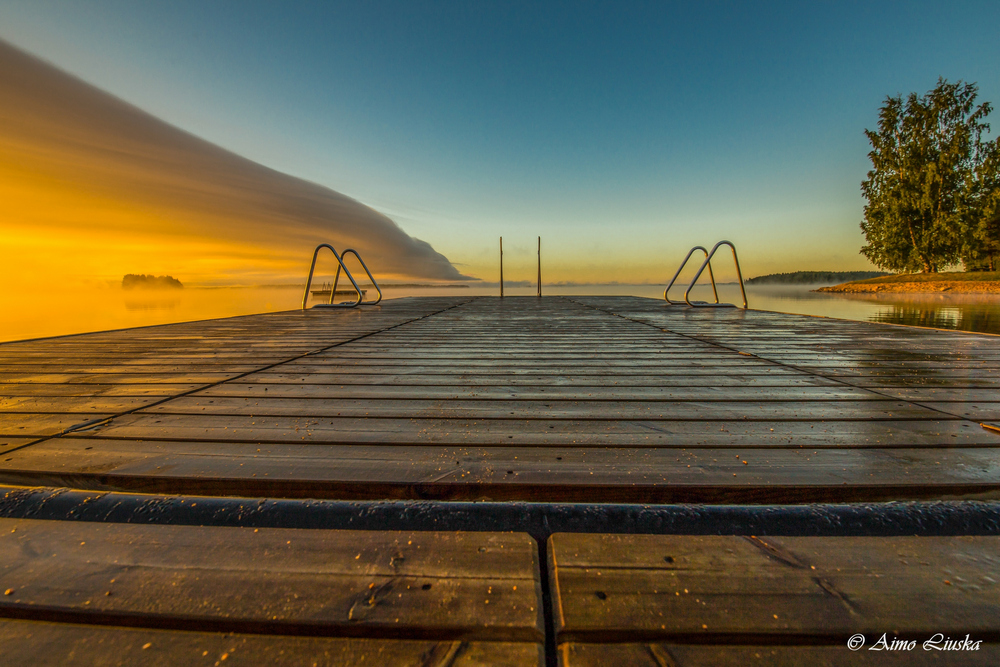 Example: side light or backlight gives a photo much more depth than direct front light.
2. GOLDEN HOUR
The photographer’s best time is the hour before sunset and the hour after sunrise. The sun is low, the shadows are long and soft, and the light has a wonderfully warm, golden tone.
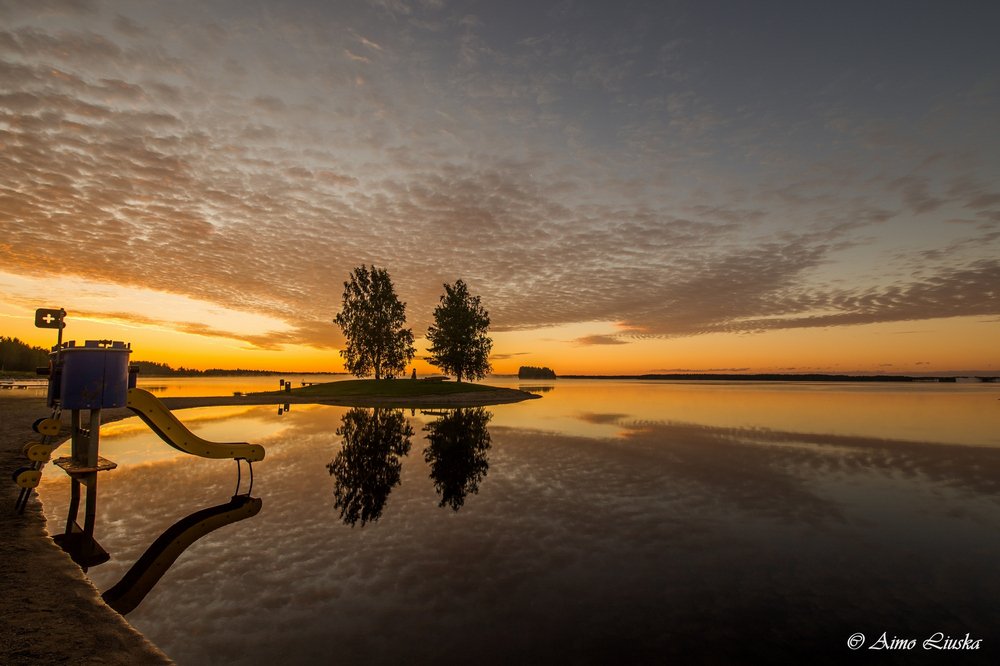 Example: a photo taken during golden hour glows with soft, warm, deep light.
3. A PRO TIP FOR INDOORS
A window is the best and biggest “softbox” in your home.
When you photograph people or products indoors, switch off the yellow ceiling lights and move your subject close to a large window. The soft natural light filtering through it gives an instantly studio-like, high-quality result.
4. BLUE HOUR AND CLOUDY WEATHER
- Blue hour: After sunset (and before sunrise) the sky glows deep blue. City lights and the sky are then in balance, so this is the best moment for cityscapes and lakes. Bring a tripod, because exposure times get longer.
- Cloudy weather: A layer of cloud acts as a giant diffuser. Shadows are soft and colours rich – excellent for forests, waterfalls, mushrooms and portraits. Leave the grey sky out of the frame.
- Fog and mist: Morning mist over a lake or a field simplifies the background and adds depth. The best mist forms on calm, clear nights in late summer and autumn.
5. LIGHT THROUGH THE SEASONS
At Finland’s latitudes, the light changes more over the year than in most countries – and for a photographer that is a treasure:
- Summer: The sun sets late and rises early, so golden hour falls in the late evening and at night. The midnight sun and the long twilight of summer nights give hours of soft light.
- Autumn: Autumn colours, mist and darkening evenings. In September and October the northern lights season begins as the nights get dark again.
- Winter: The sun stays low all day, so the light is golden even at noon. During the polar night, blue hour can last for hours.
- Spring: The snow reflects light and brightens the shadows. Remember positive exposure compensation so the snow doesn’t turn grey.
You can see sunrise and sunset times on the Sky page, for example. Read more in the guides Landscape photography (FI) and Night and northern lights photography (FI).