DEPTH OF FIELD & APERTURE (f-number)
How to control a blurred background (bokeh) in portraits and sharpness through an entire landscape.

WHAT IS APERTURE (f-number)?
The aperture (f-number) sets the size of the opening inside the lens. It affects two things: how much light reaches the sensor and the depth of field (how much of the photo is sharp from front to back).
The golden rule: Small f-number = wide aperture = blurred background.
Large f-number = small aperture = everything sharp.
BOKEH OR A FULLY SHARP LANDSCAPE?
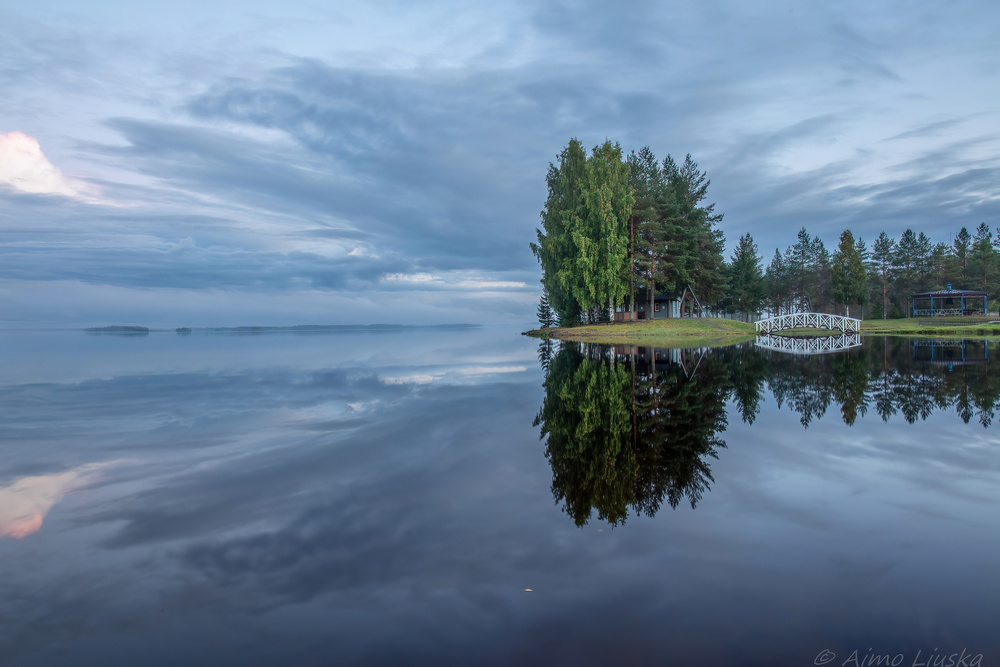
APERTURE VALUES (f-NUMBERS) AND WHEN TO USE THEM
| f-number | Aperture size | Depth of field | Best for |
|---|---|---|---|
| f/1.4 – f/2.8 | Very wide | Very shallow | Portraits, details, low light, bokeh. |
| f/4 – f/5.6 | Medium | Moderate | Group photos, street photography, animals in their surroundings. |
| f/8 – f/11 | Small | Very deep | Landscapes, architecture, cityscapes. The sweet spot! |
| f/16 – f/22 | Very small | Maximum | Sunstars, maximum depth. Watch out for diffraction! |
PRO TIPS FOR CONTROLLING BOKEH AND SHARPNESS
1. The lens's sharpest range (the "sweet spot")
Most lenses are not at their sharpest wide open (e.g. f/1.8) or fully stopped down (f/22). A lens usually performs best and gives the sharpest image between f/5.6 and f/11.
2. How do you get the most blurred background?
Besides a small f-number you can strengthen the bokeh effect in three ways:
- Move the subject as far from the background as possible.
- Get closer to the subject yourself.
- Use a longer focal length (e.g. an 85 mm or 200 mm telephoto lens).
3. Beware of too small an aperture (f/22) and diffraction
The idea that "the smaller the aperture, the sharper the photo" is not quite true. At very small apertures (f/16–f/22) a physical effect called diffraction starts to soften the fine detail in the image.
Try it yourself: The depth of field calculator shows you instantly how much is in focus at different apertures, focal lengths and distances.