Shutter speed & controlling motion
How to freeze fast action or create a silky smooth sense of movement.
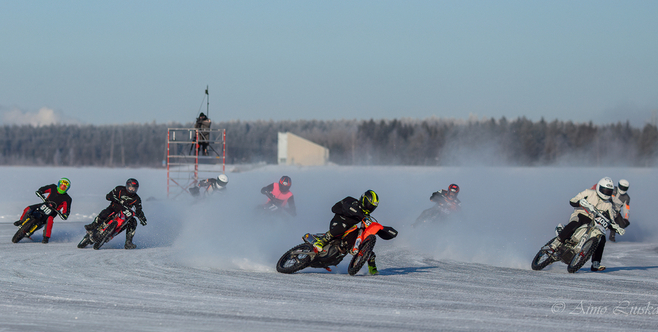
What is shutter speed?
Shutter speed defines how long the camera's sensor is exposed to light. It is the second cornerstone of the exposure triangle and the photographer's most important tool for showing movement – whether you want to lock busy action perfectly in place or leave an artistic trail of motion in the photo.
Fast shutter speed
1/500 s – 1/8000 s (freezing motion)
Freezes even fast movement perfectly. Splashes of water, an athlete's expressions and the details of a bird's wings are captured.
Slow shutter speed
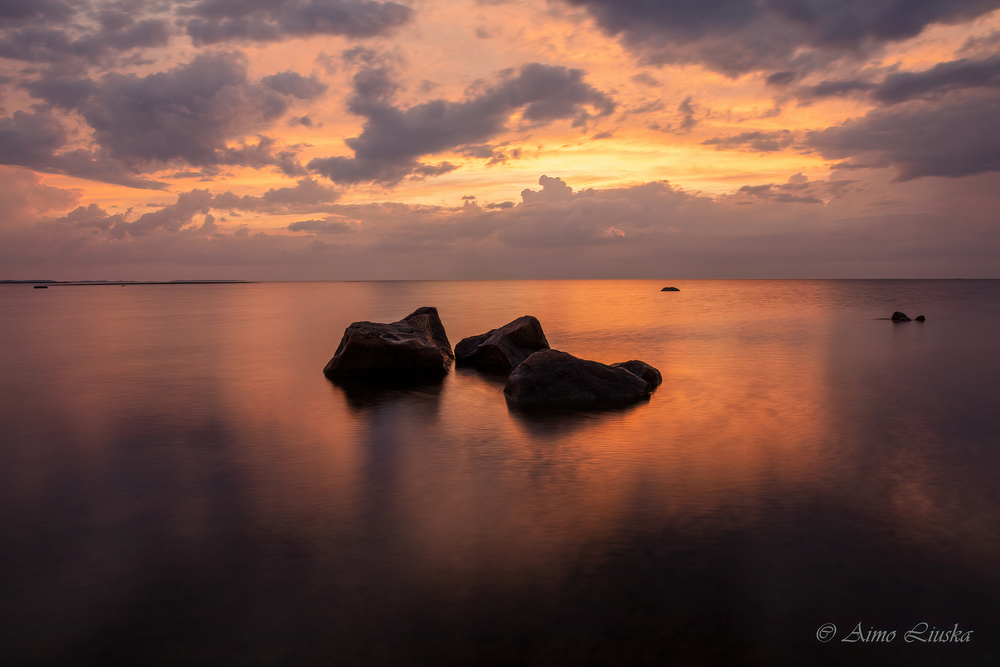
1/30 s – several seconds (motion blur)
Adds energy and a sense of speed. Water turns silky, car lights draw trails of light and clouds soften.
Recommended shutter speeds for different situations
| Subject / situation | Recommended shutter speed | Goal / effect |
|---|---|---|
| Birds in flight / motorsport | 1/2000 s – 1/4000 s | Freezes very fast movement, even a wingbeat. |
| Sport & lively children | 1/500 s – 1/1000 s | Prevents motion blur in arms, legs and body. |
| Walking / normal portraits | 1/125 s – 1/250 s | A sharp handheld photo with normal movement. |
| Panning | 1/30 s – 1/60 s | The subject stays sharp while the background blurs with speed. |
| Flowing water (smoothing) | 1/2 s – 2 s | The water gets a silky look (needs a tripod). |
| Night & starry sky | 10 s – 25 s | Exposes a dim landscape and the starry sky. |
The most important special techniques
1. Panning – a sense of speed in the background
When panning you move the camera smoothly with a moving subject during the exposure. The result is a sharp subject with the background stretched into motion lines.
- Setting: Choose a shutter speed of 1/30 s – 1/60 s and switch on continuous focus (AF-C / AI Servo).
- How to do it: Follow the subject smoothly by turning from the hips, and keep the movement going even after pressing the shutter.
2. Long exposures & ND filters
In daylight long exposures overexpose the photo. That is when you need an ND (neutral density) filter, which works as "sunglasses" for the camera and reduces the light reaching the sensor.
Maximum time = 500 / (focal length × crop factor). With today's high-resolution sensors stars can stretch in an even shorter time – a safer limit is about 300 / focal length (e.g. 14 mm → about 20 s). For more precise calculations, use the NPF calculator in the PhotoPills app.
The rule of thumb for handheld shooting
To prevent camera shake without a tripod, the shutter speed should be at least 1 / focal length.
If you shoot with a 200 mm lens, the safest shutter speed for a shake-free photo is at least 1/200 s. Image stabilisation (IS/VR/IBIS) allows slightly longer times.