THE CIRCULAR POLARISING FILTER IN LANDSCAPE PHOTOGRAPHY
Removing reflections from water and glass, and deepening the blue of the sky and the colours of plants.
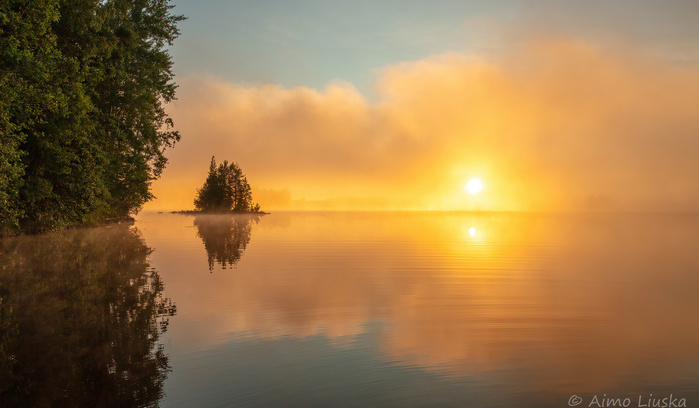
WHAT IS A CIRCULAR POLARISING FILTER (CPL)?
A circular polarising filter (CPL) is one of a landscape photographer's most important tools, because its effect can't be perfectly imitated in digital post-processing. The filter screws onto the front of the lens and you rotate it by hand, so that it filters out reflected light waves coming from a certain angle.
THE KEY EFFECTS IN THE PHOTO
WHEN IS THE FILTER WORTH USING?
| Situation / subject | Effect of the filter | Tip |
|---|---|---|
| Forests, rapids & waterfalls | Very strong | Removes reflections from moss and leaves and makes the green really rich. |
| Lakes & seashores | Strong | Reveals underwater stones and details of the bottom. |
| Autumn colours & landscapes | Moderate | Deepens yellow and red tones and removes haze from the air. |
| Landscape after rain | Very strong | Eliminates the glare from wet asphalt and wet rocks. |
| Photographing rainbows | Be careful | By rotating the filter you can either enhance the rainbow or make it disappear completely! |
REMEMBER THESE WHEN USING A POLARISING FILTER
1. 90 degrees from the sun
The filter darkens the sky most strongly when you shoot at a 90-degree angle to the sun. If the sun is straight in front of you or behind you, the sky effect doesn't work.
2. Beware of an uneven sky with a wide angle
With a very wide lens (e.g. under 24 mm) a dark, uneven patch may appear in the middle of the sky, because the wide angle covers such a large part of the sky at once.
3. The filter eats light (1.5–2 EV)
A polarising filter reduces the light reaching the sensor by about 1.5–2 stops. This lengthens the shutter speed, which may mean you need a tripod in low light.
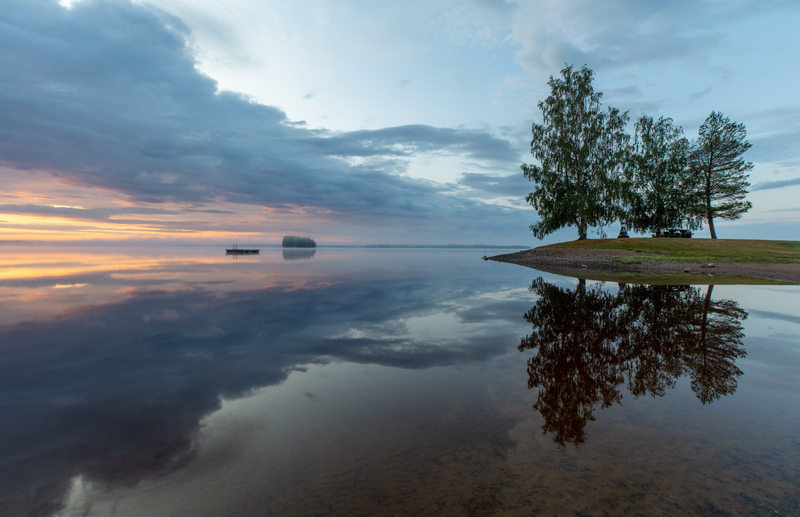
A pro tip: When you photograph reflections on a mirror-calm lake (e.g. a mountain reflected in the water), don't turn the filter to its maximum position, so that you don't accidentally remove the reflection you want completely!