Pet and animal photography
Sharp eyes, the right camera height and patience – this is how you get photos of your pet that really show its character.
Get down to the animal's level
When you shoot standing up and pointing down, the animal often looks small and distant. Crouch down or even lie on your stomach on the lawn. A photo taken at the animal's eye level shows the world from its point of view and brings out its personality and expressions in a completely different way.
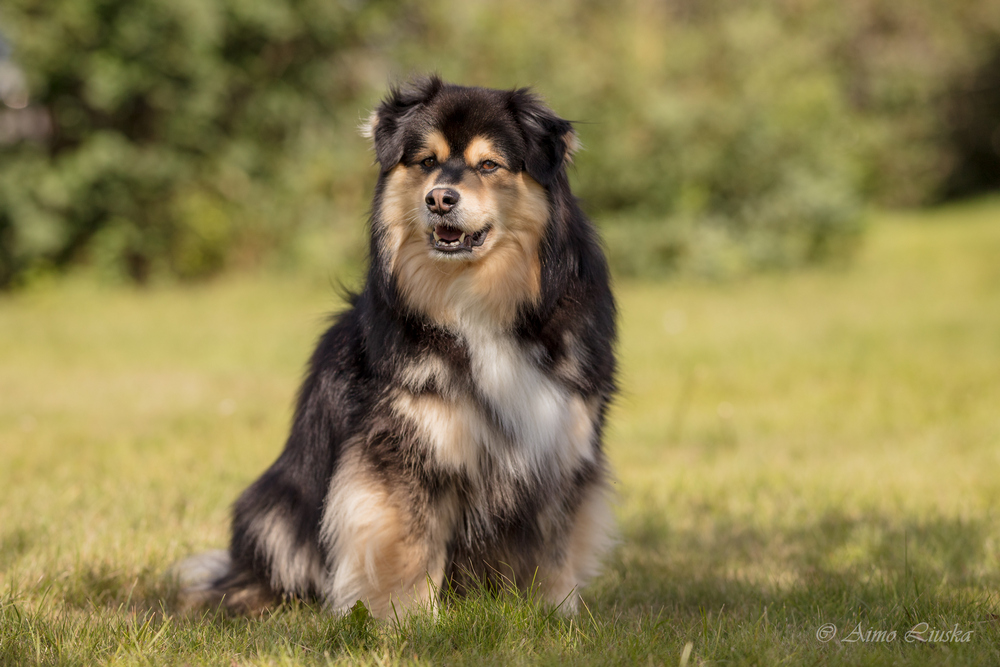
Creates a close and personal mood
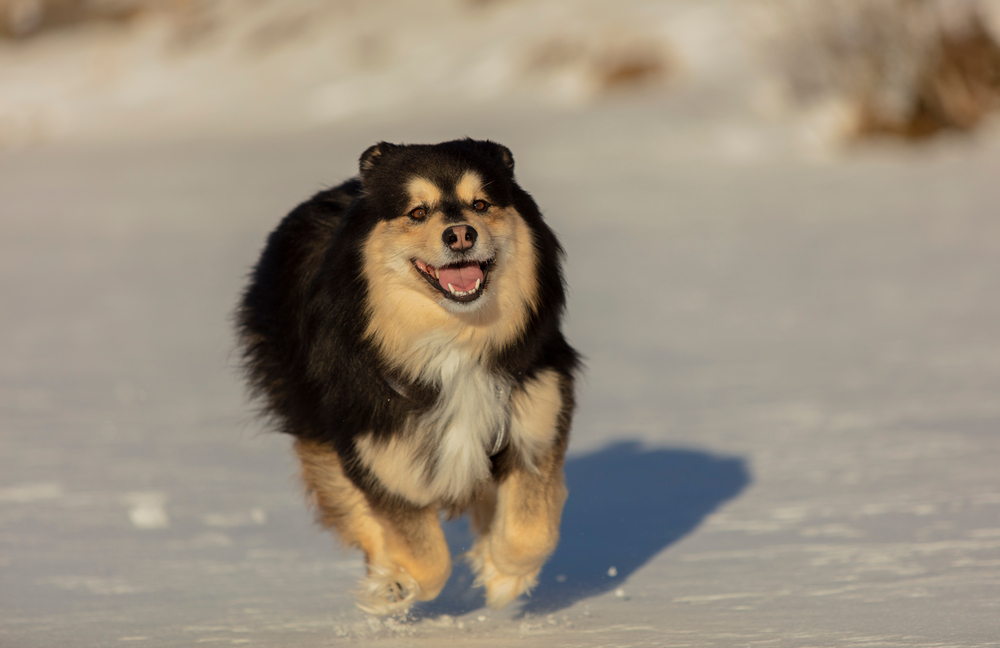
Continuous focus (AF-C) keeps a moving subject sharp
Pro tip: Always focus on the animal's nearest eye. A slightly soft nose or ear is forgiven, but a soft eye ruins an otherwise good photo.
The best camera settings
- Continuous focus: Choose AF-C (Nikon/Sony) or AI Servo (Canon), so that the camera follows a moving animal.
- Animal eye detection: If your camera has eye detection for animals (Animal Eye AF), keep it on all the time.
- Fast shutter speed: At least 1/1000–1/2000 s for play and running. For an animal that is still, 1/250 s is usually enough.
- Burst mode: Take several photos per second, so you are more likely to catch exactly the right stride or ear position.
- Auto ISO: Lock the shutter speed and aperture and let the camera set the ISO. A little noise is better than a motion-blurred photo.
Handling the animal & useful aids
- Patience and breaks: Don't rush. Let the animal get to know the location and the camera calmly, and take breaks before it gets bored.
- Treats and sounds: Hold a treat or a squeaky toy next to the camera. That way you get the animal looking straight at the lens just before you press the shutter.
- Avoid direct flash: Flash can startle the animal and cause shiny reflections in its eyes. Favour natural light.
- Bring a helper: A helper can hold a toy or guide the animal while you concentrate on composition and focus.
Soft light and a calm background
- A cloudy day or shade: Even light shows the detail in the fur without harsh shadows or blown-out areas.
- Golden hour: A low evening sun behind the animal draws a beautiful rim of light around its fur.
- Indoors by the window: Bring the animal close to a large window and turn off the yellow ceiling lights, so the colours stay natural.
- Background far away: The further the background is from the animal, the softer it blurs. Use a wide aperture (e.g. f/1.8–f/2.8).
Settings for different situations
| Situation | Shutter speed | Aperture | Focus |
|---|---|---|---|
| Sleeping or lying animal | 1/125–1/250 s | f/1.8–f/2.8 | AF-S, on the eye |
| Sitting portrait | 1/250–1/500 s | f/2.8–f/4 | AF-C + eye detection |
| Playing and running | 1/1000–1/2000 s | f/2.8–f/5.6 | AF-C + burst mode |
| Two animals in one photo | 1/500 s | f/5.6–f/8 | AF-C, wide area |
The most common problems
Black fur is just a dark blob?
The camera tries to turn dark fur into middle grey and overexposes the background. Use negative exposure compensation (-0.3…-1 EV) and shoot in soft light so that the texture of the fur shows.
White fur blown out?
Avoid direct sun and check the histogram. Lower the exposure if needed (-0.3…-0.7 EV) to keep the detail in the fur.
A green or yellow glow in the eyes?
That is the flash reflecting from the back of the eye. Turn off direct flash or bounce the light off the ceiling.
The animal won't stay still?
Don't force it. Play with the animal or take it for a walk first, so it calms down. A tired dog is the best model.